
In the News

January 13, 2026
On the first day of my externship with the Oregon Department of Fish and Wildlife, I shook hands with Dr. Julia Burco, a state wildlife veterinarian, and I felt an overwhelming sense of gratitude and fulfillment....

September 03, 2024
Diseases cross over from animals to people very rarely, with less than a tenth of one per cent of animal viruses ever successfully making the leap. And yet from another perspective the crossovers are common, with more than two-thirds of emerging diseases in humans having animal origins. Cornell's Dr. Beth Bunting weighs in on these zoonotic diseases.

January 08, 2024
Cornell researchers have discovered coronaviruses in wild carnivores that had never been reported in these species before.
For Your Information
June 13, 2023
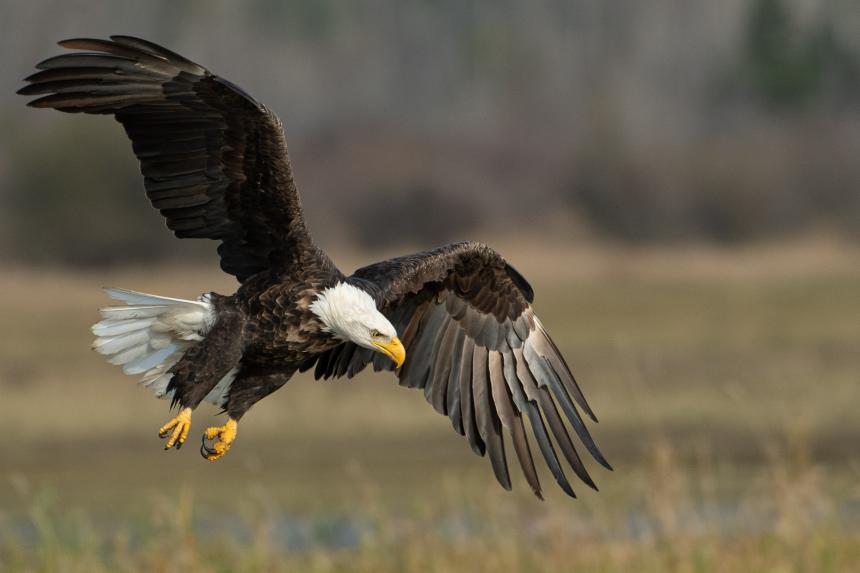
While the recent population recovery of bald eagles in New York State is a conservation success, evidence from necropsies suggest that ingested lead from ammunition fragments is causing morbidity and mortality to wild eagles.

February 13, 2023
Chytridiomycosis has caused significant declines and extinctions of many amphibian species. In a new paper, Cornell scientists have found that an oral vaccine can stimulate an immune response and help some species fight the deadly disease.

News
February 08, 2023
Dr. Andrew Di Salvo had always been interested in wildlife and enjoyed being outdoors. He first considered a career in wildlife veterinary medicine while working as a park ranger in New York City before veterinary school....

January 05, 2023
Protecting wildlife is hard, and a key step to determine if a wildlife species needs conservation intervention is finding them. The Cornell Wildlife Health Lab's Alyssa Kaganer describes using eDNA techniques to successfully find four-toed salamanders.

December 12, 2022
Cornell Animal Science major Genesis Contreras ’24 needed her service dog to keep her safe while working with the Cornell Wildlife Health Lab, but Nugget, a 4-year-old beagle, needed to be safe as well. A team across Cornell found a solution: "doggles."

November 07, 2022
In October 2022, CVM's Department of Public and Ecosystem Health held its first departmental symposium, which featured faculty and staff presentations, a student poster session and a panel discussion.
November 03, 2022
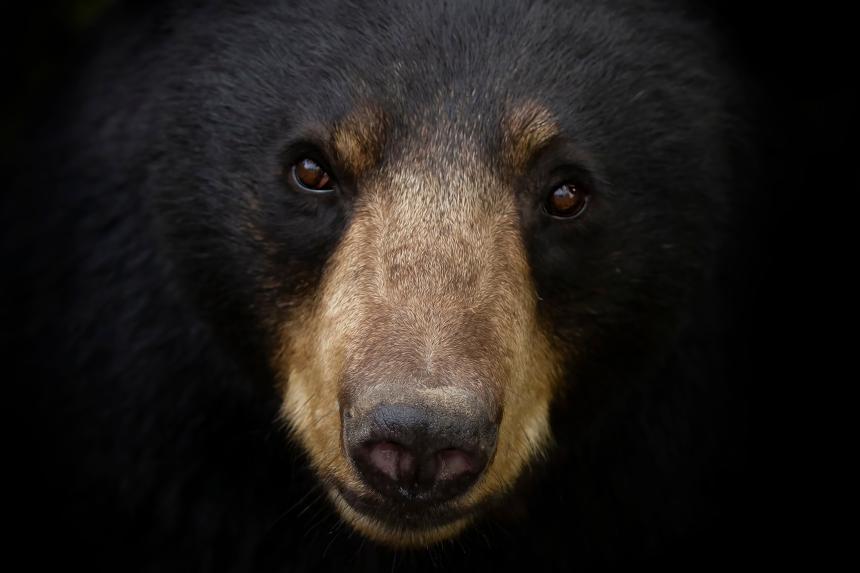
A new paper published by the Cornell Wildlife Health Lab team and partners describes the emergence of mange in New York State black bears.